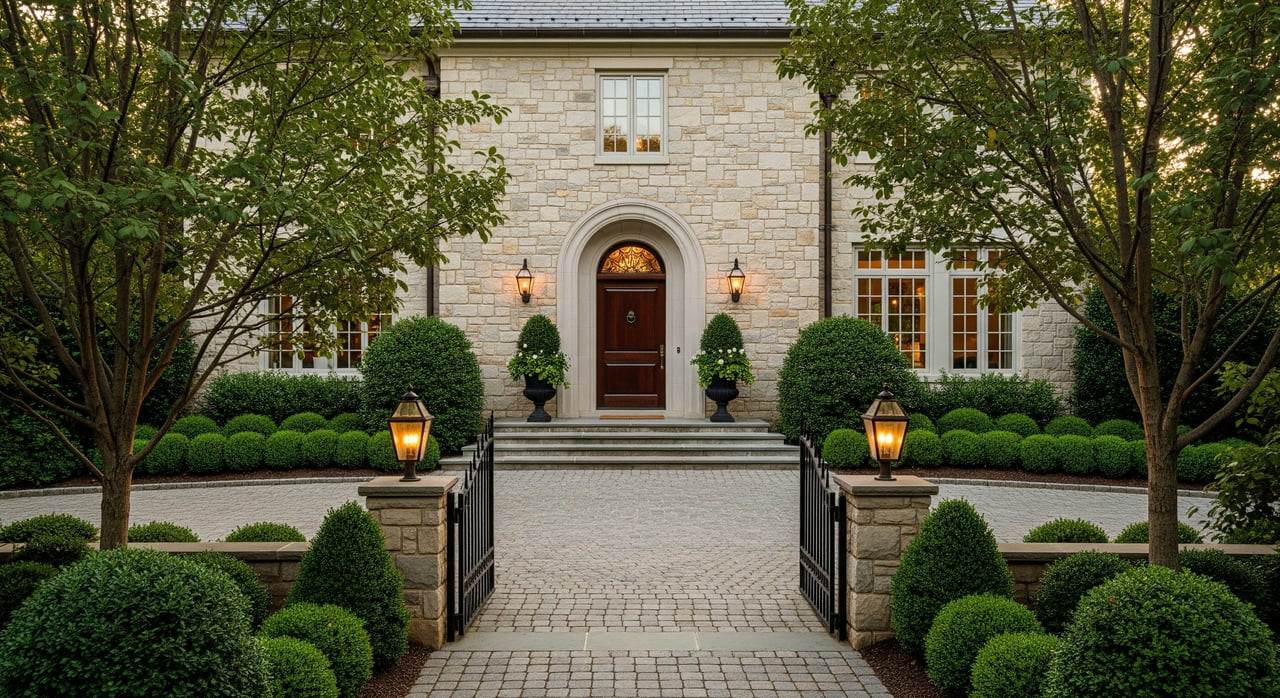
Using Escalation Clauses in Bethesda, MD Offers
Real Estate Jennifer Fang December 4, 2025
Real Estate Jennifer Fang December 4, 2025
Are you wondering how to make your offer stand out on a Bethesda home without overpaying? When multiple offers are in play, you need a plan that gives you a fair shot while protecting your budget. Escalation clauses can help, but only if you understand how they work and where the risks lie. In this guide, you will learn the essentials, the local nuances for condos and single-family homes, and practical steps to use escalation clauses with confidence. Let’s dive in.
An escalation clause, sometimes called an escalation addendum, is an add-on to your offer that automatically raises your price above a competing bona fide offer by a set amount, up to a maximum ceiling price. In the Bethesda area, the GCAAR Escalation Addendum is commonly used and integrates with the local Purchase and Sale Agreement. The exact wording on the form matters, so you should review the current GCAAR language with your agent before signing.
Here is how it typically works:
Illustrative example: You offer $600,000, agree to beat any bona fide higher offer by $5,000, and cap at $640,000. If the seller has a $610,000 offer, your price becomes $615,000 as long as that does not exceed your ceiling.
Your ceiling is the highest total you are willing and able to pay. It protects you from escalating beyond your comfort level. Set a ceiling that reflects your true out-of-pocket capacity, including any cash you may need if the appraisal comes in low. Do not rely only on your preapproval number since lenders base loans on the lower of the appraisal or contract price.
Your increment is how much you will beat a competing offer. In many suburban DC markets, buyers choose $2,500 to $10,000 increments. Smaller increments can keep you close to the next best offer, while larger increments can leapfrog the competition but may overshoot what was needed. Match your increment to the property price and how competitive the listing is.
Most escalation addenda require the seller to show a copy of the competing offer to verify that your escalation was triggered. Expect redactions of personal information, but the proof should show price, dates, signatures, and any terms that affect the seller’s net proceeds. Your agent should check that the proof meets the addendum’s requirements.
An escalation clause is about price, but sellers also weigh certainty and timing. Here is what to keep in mind:
Lenders base loans on the lower of the appraised value or the contract price. If your escalated price is higher than the appraisal, the lender will not automatically fund the difference. You must either bring cash to cover the gap or rely on your appraisal or financing contingency if you kept it.
This is why your ceiling must reflect both your comfort and your actual capacity. Before you submit an escalation, speak with your lender about your preapproval, your debt-to-income limits, and how much cash you can use if the appraisal comes in short. In very competitive situations, buyers sometimes waive appraisal protections. That can win a bidding war, but it also shifts the appraisal risk to you.
Bethesda is a high-demand suburban market near DC. Well-priced homes often attract multiple offers, and escalation language is common. Conditions change with the season and inventory, so ask your agent for the latest local market read before you set your strategy.
Condo purchases add layers that can impact your ability to close at an escalated price. Lenders review the condo association’s financials, reserves, any special assessments, and owner-occupancy ratios. Rental caps or investor restrictions can affect lending. If the building runs into lender issues, your financing could be at risk even if your offer price wins. Be sure your timeline accounts for HOA documents and lender review.
Desirable single-family homes in Bethesda often see strong interest due to lot characteristics, neighborhood amenities, and location. You may be tempted to set a high ceiling to compete. Build in room for likely repairs or updates, especially on older homes, and factor that into your maximum. The best ceiling is one you can live with even if the appraisal is low and some work is needed after closing.
If a seller receives several offers with escalation clauses, the outcome depends on the addendum wording, timing, and the rest of each offer. If two buyer escalations land at the same final price, the seller may use offer timestamps, ask for best and final offers, or choose based on terms like contingencies, closing date, and financing strength. Escalation sets a framework, but it does not replace a seller’s strategic choice.
If the seller accepts your escalated price, you should receive a copy of the competing offer as verification, usually with personal details removed. Confirm that the proof shows the terms needed under the addendum. Move quickly into appraisal and underwriting. Have a plan ready if the appraisal comes in low, such as bringing cash, negotiating, or using a contingency if you kept one.
Escalation is not always the best move. Consider these options:
An escalation clause can be a smart tool in a competitive Bethesda market, but it only works if the numbers, the proof requirement, and your financing all line up. Set a thoughtful ceiling, choose a sensible increment, and understand how appraisal risk fits into your plan. For condos, add extra time for HOA document review and lender sign-off. For single-family homes, consider likely repair needs when you set your cap.
If you want a clear strategy tailored to your goals, reach out to the local team that treats your purchase like their own. Connect with Jennifer Fang Homes for a focused plan to compete and win with confidence.

Real Estate
Real Estate
Lifestyle
Real Estate

Real Estate
Real Estate
Explore a group of experts who combine personalized service with top-tier market knowledge to achieve extraordinary results.