Eyeing an “as‑is” condo or rowhouse in Washington, DC and wondering what that really means? You are not alone. “As‑is” can sound risky, especially with older buildings and unique DC features. The good news is you can still protect yourself, price the risk, and make a smart offer.
This guide explains what “as‑is” actually covers, what disclosures and inspections you still get in DC, how lenders and appraisals factor in, and practical strategies to write a competitive offer without taking on surprises. Let’s dive in.
What “as‑is” really means
“As‑is” usually means the seller is not willing to make repairs or offer repair credits after inspection. You agree to accept the property in its current condition.
It does not give the seller a free pass on required disclosures or fraud. Sellers must still follow federal rules, including lead‑based paint disclosures for homes built before 1978, and they cannot conceal known material defects. Any representations the seller makes in the contract still apply unless clearly disclaimed.
Your key takeaway: “As‑is” shapes who pays for repairs. It does not remove your right to inspect or your protection against misrepresentation.
DC disclosures you still get
You should expect the following in a typical DC transaction even if the listing is “as‑is.”
- Seller property condition disclosure. In most residential sales, sellers provide a disclosure about known issues and prior repairs. This does not go away in an “as‑is” deal.
- Lead‑based paint disclosures for pre‑1978 homes. Federal law requires the EPA/HUD pamphlet, any known lead information, and a 10‑day window for lead testing unless you waive it.
- Condo resale packet. For condos, you should receive bylaws, budget, reserve study, meeting minutes, insurance summary, litigation status, and any special assessment details. These documents are essential to judge financial health and future costs.
- Permit and code history. DC’s Department of Buildings maintains permit records. Check for unpermitted work, open violations, or stop‑work orders.
- Historic review and limits. Many DC rowhouses fall within historic districts. Exterior changes often require Historic Preservation Office approvals, which can affect future renovation plans and costs.
- Title and lien checks. A title search and title insurance protect you against recorded liens and ownership issues.
Inspections you should still do
An “as‑is” label does not mean you skip due diligence. Prioritize these for DC condos and rowhouses, where older systems and shared elements are common.
- General home inspection. Structure, roof, windows, insulation, interior and exterior.
- Sewer scope. Many older rowhouses have clay or jointed sewer lines. Replacement can be expensive, so this is high‑value due diligence.
- Wood‑destroying organisms (WDO/termite). Look for active activity and past treatments.
- Electrical system check. Older wiring or undersized service is common.
- Plumbing review. Galvanized supply lines, aging water heaters, and hidden leaks.
- HVAC evaluation. Age, condition, and remaining useful life.
- Lead risk assessment for pre‑1978 buildings. Testing is allowed unless waived.
- Moisture and mold assessment. Pay special attention to basements and party walls.
- Radon test. The EPA recommends testing. Radon levels vary by neighborhood and building.
- Chimney inspection where applicable. Many older fireplaces need liners or repairs.
- Asbestos screening if you plan to renovate. Mid‑century materials may contain asbestos.
For condos, extend your review to building systems and governance:
- Reserve study, budget, and meeting minutes. Look for adequate reserves and any special assessments.
- Building condition. Roof, facade, elevators, common HVAC, and plumbing stacks.
- Compliance and certificates. Verify required building certificates and code compliance.
- Litigation and insurance. Lawsuits and insufficient coverage can affect future costs and financing.
Aim for a defined inspection window. Even in a competitive market, consider a shorter or scoped inspection period rather than waiving your rights entirely.
Financing and appraisal factors
Your lender and appraiser focus on safety, soundness, and marketability. Key points to plan for:
- FHA and VA loans. These have minimum property standards. Appraisers can require certain repairs before closing. “As‑is” language does not override these requirements.
- Conventional loans. Appraisal findings still matter. Some lenders allow repair escrows or post‑closing repairs, but you must get approval upfront.
- Appraisal gaps. If the appraisal comes in below your contract price, you may need extra cash or a price reduction. Plan for this possibility when you set your offer terms and budget.
Price the risk into your offer
Treat unknowns like a budget line. Build a margin for repairs and surprises.
- Set a walk‑away threshold. Price out major systems with contractor ballparks. Decide the maximum repair exposure you will accept.
- Apply a risk premium. Based on age, visible condition, and disclosures, discount your offer by a set amount or percentage to reflect expected repairs.
- Budget for lender requirements. Build in cash or contingency plans for lender‑required repairs or a low appraisal.
Offer tactics that balance risk and speed
You have several levers that can keep you competitive without flying blind.
- Pre‑offer checks. Where timing allows, do targeted pre‑offer inspections like a sewer scope or WDO.
- Scoped inspection contingency. Keep the right to inspect high‑cost systems, even if you waive cosmetic items.
- Short inspection period. A 3 to 5 day window signals strength but still gives you an exit if major issues appear.
- “As‑is with inspection” approach. You accept that the seller will not repair, but you keep the right to cancel based on findings.
- Repair cap contingency. Cap the seller’s repair responsibility or allow a credit up to a fixed amount.
- Repair escrow. If repairs cannot be finished before closing, funds can be held back and released after completion. This requires lender and title company approval.
- Price reduction or credit. Negotiate dollars instead of repairs to keep closing timelines on track.
Sample contingency language (illustrative)
These examples are not legal forms. Have your agent or a local real estate attorney draft language that fits your situation.
- Inspection contingency: “Buyer shall have X days from ratification to conduct inspections. If Buyer objects in writing to any unsatisfactory condition, Buyer may terminate the contract or request repairs or credits. Seller may accept or decline Buyer’s request.”
- Repair cap contingency: “Buyer’s acceptance is contingent on Seller correcting deficiencies costing no more than $X, or providing a credit at closing in lieu of repairs. If estimated repairs exceed $X, Buyer may terminate.”
- Escrow holdback: “If repairs cannot be completed prior to closing, Seller agrees to escrow $Y at closing to be released upon completion of specified repairs within Z days, as confirmed by receipts or re‑inspection.”
DC‑specific risks to watch
Older DC housing stock and shared building elements can create unique risk areas.
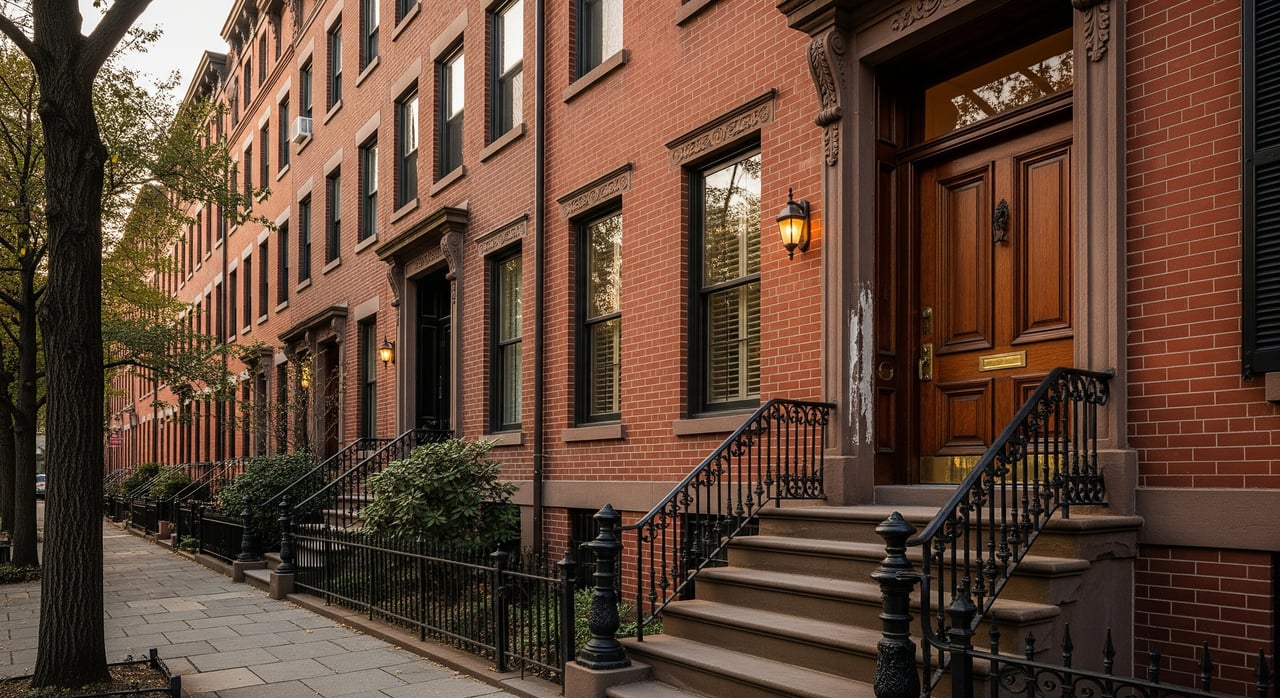
- Rowhouses. Party walls, alley access, and easements can complicate maintenance. Watch for unpermitted additions, older electrical service or plumbing, basement water intrusion, and historic district exterior limits.
- Condos. Low reserves, frequent special assessments, deferred maintenance on roofs or facades, and litigation can impact values and future costs. Also consider owner‑occupancy ratios and rental rules since they may affect financing.
- Environment and code. Check flood risk, especially for basement units. Test for lead and radon. Confirm that visible renovations match the permit history.
Red flags that change the plan
Be ready to adjust your offer or walk away if you see:
- Structural movement, major cracks, or obvious bowing
- Evidence of long‑term water intrusion or hidden mold
- Extensive unpermitted structural work
- Condo or building financial distress, large assessments, or active litigation
- Sewer backups or repeated plumbing failures
- Lender or appraiser repair mandates the seller will not address
- Heavy deferred maintenance on common systems in condos
Due diligence checklist and timeline
Use this quick plan to stay organized.
- Before offer. Review seller disclosures and MLS remarks. Request the condo resale packet early. Pull permit and property records. Consider targeted pre‑offer inspections where feasible.
- Offer stage. Choose your inspection scope and length. Set a clear walk‑away threshold for repair costs. Decide on earnest money and timelines.
- Inspection period. Schedule the general inspection and specialists. Get contractor estimates for major items. Review condo financials, minutes, and reserve study.
- Post‑inspection. Negotiate credits, price changes, repair escrows, or terminate if findings exceed your threshold.
- Closing prep. Confirm lender requirements. Ensure the title and escrow teams approve any repair holdbacks. Secure title insurance.
Get local guidance before you bid
“As‑is” in DC is manageable when you convert uncertainty into a plan and a number. With the right inspections, clear offer terms, and a budget for lender requirements, you can compete confidently while protecting your downside.
If you are weighing an “as‑is” condo or rowhouse in Washington, DC, let us help you get the facts fast. Our team can coordinate the right inspectors, pull permit and condo records, and model repair exposure so your offer fits your goals. Reach out to Jennifer Fang Homes to get started.
Important legal note
This article is for general information. It is not legal advice. Contracts and legal duties can change based on your property, financing, and current DC rules. Always consult your real estate agent and a local attorney for drafting and interpretation.
FAQs
What does “as‑is” mean in a DC home sale?
- In DC, “as‑is” usually means the seller will not repair items or provide repair credits, but required disclosures still apply and you can still conduct inspections.
Can I inspect an “as‑is” condo or rowhouse in DC?
- Yes. You can and should perform a general home inspection plus targeted checks like sewer scope, WDO, HVAC, and a review of the condo resale packet.
How do FHA or VA loans handle “as‑is” listings?
- FHA and VA appraisals enforce minimum property standards. They can require repairs before closing even if the contract says “as‑is.”
What condo documents matter most for an “as‑is” DC purchase?
- Focus on the resale packet, reserve study, budget, recent meeting minutes, insurance summary, litigation status, and any special assessments.
What red flags should make me walk away from an “as‑is” DC property?
- Major structural concerns, long‑term water or mold issues, extensive unpermitted work, building financial distress, or lender‑required repairs the seller refuses.
Can I negotiate price on an “as‑is” home in DC?
- Often yes. Instead of repairs, buyers negotiate price reductions or closing credits, or use repair escrows if the lender and title company approve.