Washington D.C
Make your home in the nation's capital, where iconic landmarks meet diverse and dynamic neighborhoods.
Make your home in the nation's capital, where iconic landmarks meet diverse and dynamic neighborhoods.
Living in Washington, DC
Washington, DC offers one of the most diverse and dynamic living experiences in the country. What makes the city unique is not just its global significance, but the way each neighborhood delivers a completely different lifestyle—from historic and residential to modern and highly urban.
For buyers, DC is not one market. It’s a collection of distinct neighborhoods, and understanding those differences is what defines a smart purchase.
Georgetown | Historic, Prestigious, Timeless
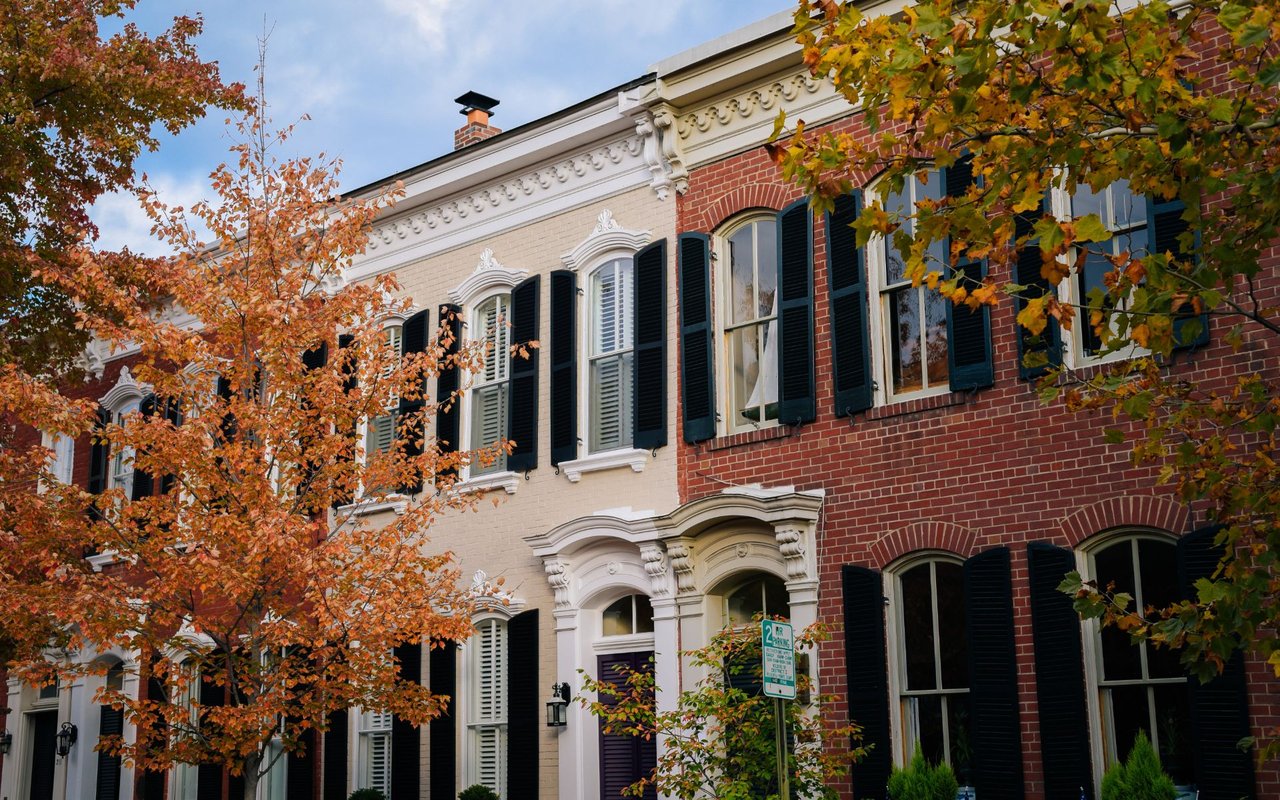
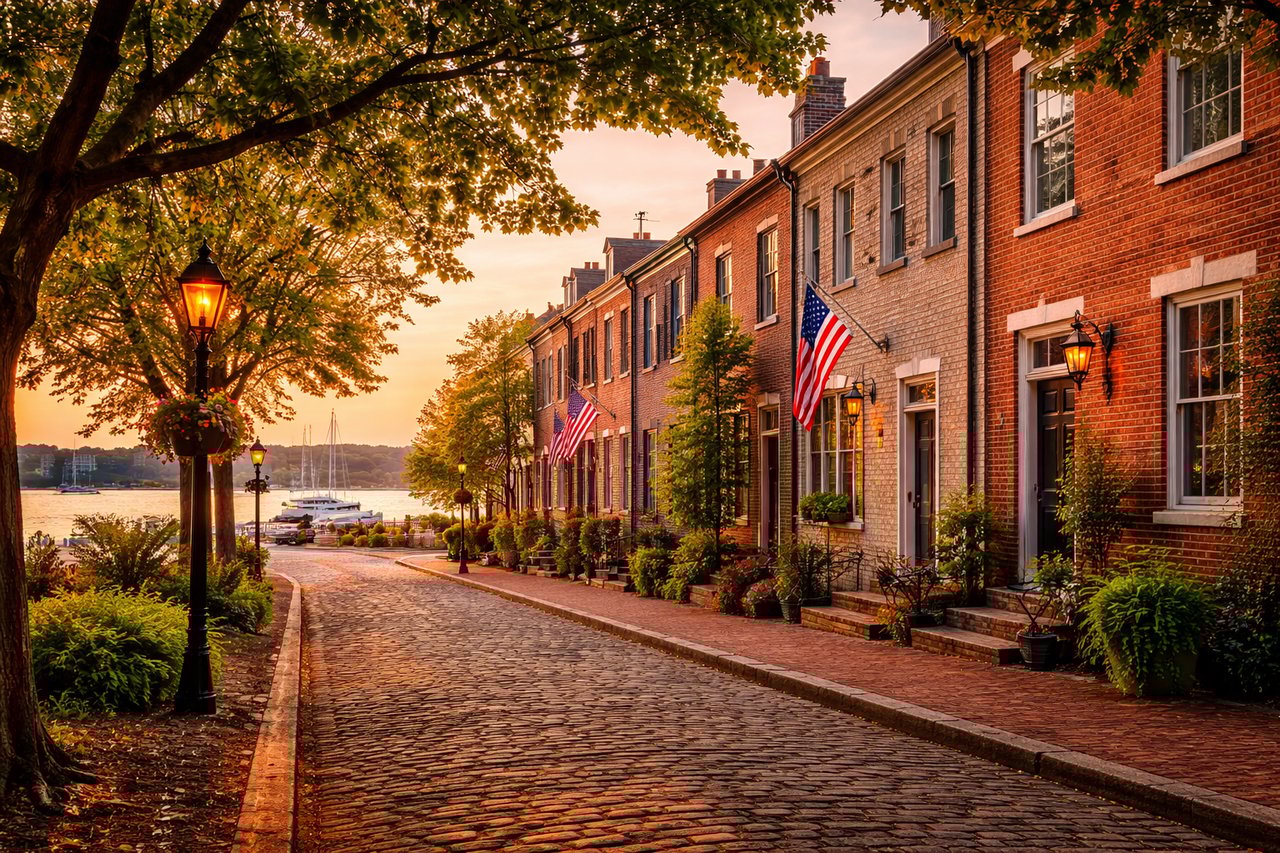
Georgetown is one of the most iconic neighborhoods in DC. Known for its cobblestone streets, historic rowhomes, and upscale retail along M Street and Wisconsin Avenue, it offers a level of character that is hard to replicate.
Homes here range from classic federal style townhouses to luxury residences tucked along quiet side streets. While Georgetown does not have direct Metro access, its walkability and prestige continue to drive strong demand.
This is ideal for buyers prioritizing charm, status, and a true historic setting.
Capitol Hill | Classic DC Living with Community Feel
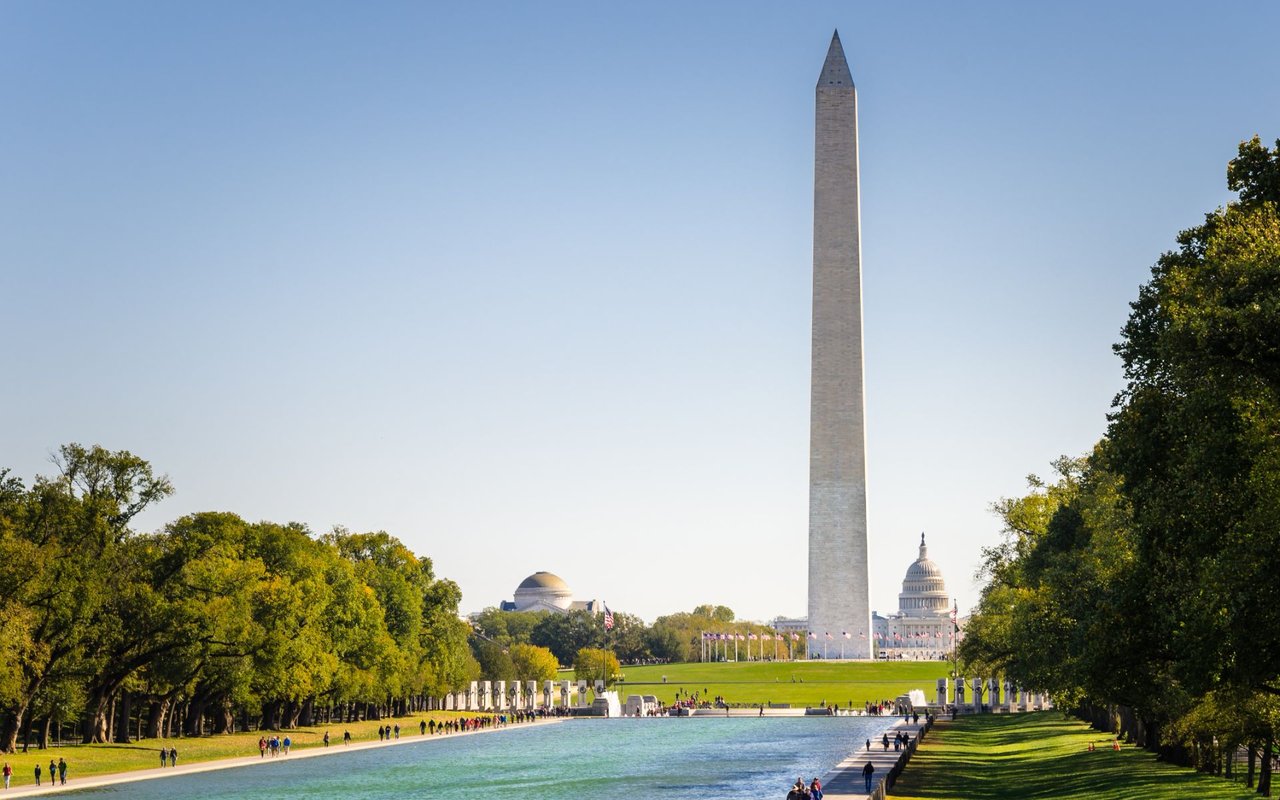
Capitol Hill offers a blend of historic architecture and strong neighborhood identity centered around the United States Capitol.
Tree lined streets, classic rowhomes, and proximity to Eastern Market define the area. It attracts a mix of government professionals, families, and long term residents who value community and walkability.
This is one of the most balanced neighborhoods in DC for both lifestyle and long term value.
Dupont Circle | Cultural, Central, Walkable
Dupont Circle sits at the intersection of culture and convenience. Surrounded by embassies, museums, and historic buildings, it offers a more refined and international feel.
You’ll find a mix of condos, historic residences, and boutique buildings, all within walking distance of restaurants, cafes, and nightlife.
This area appeals to buyers who want to be central, connected, and immersed in the cultural side of DC.
Logan Circle | Historic Meets Modern Energy
Logan Circle has become one of the most sought after neighborhoods in the city.
Known for its beautifully restored rowhomes and proximity to 14th Street, it offers a strong mix of residential charm and modern dining and retail. The area has seen significant appreciation due to its location and lifestyle appeal.
Buyers here are typically looking for a blend of character and energy.
Shaw | Growth, Investment, and Lifestyle
Shaw has experienced one of the most notable transformations in DC.
Once overlooked, it is now a hub of new development, restaurants, and nightlife, while still maintaining its historic architecture. The neighborhood attracts buyers who are looking for long term upside along with a vibrant, walkable environment.
It’s one of the strongest areas in DC for both lifestyle and investment potential.
U Street Corridor | Historic Culture and Nightlife
The U Street Corridor is deeply rooted in DC’s history, particularly its role in jazz and African American culture.
Today, it remains one of the most active areas in the city, with music venues, restaurants, and nightlife. Housing options include condos, apartments, and classic rowhomes.
This area appeals to buyers who want energy, history, and a strong social scene.
Adams Morgan | Diverse, Energetic, Unique
Adams Morgan stands out for its diversity and personality.
Centered around 18th Street, it offers a mix of historic homes, boutique condos, and locally owned businesses. The neighborhood has a strong cultural identity and continues to attract buyers who want something less conventional.
It’s ideal for those who value character, nightlife, and a more eclectic environment.
Navy Yard / Capitol Riverfront | Modern, Waterfront, Rapid Growth
Navy Yard has quickly become one of the most modern and fast growing areas in DC.
Anchored by Nationals Park and the waterfront at The Yards, the neighborhood features newer condos, luxury apartments, and walkable outdoor spaces.
It’s especially attractive for buyers looking for newer construction, amenities, and a clean, urban feel with water access.
The Wharf / Southwest Waterfront | Luxury Waterfront Living
The Wharf represents one of DC’s most significant redevelopment projects.
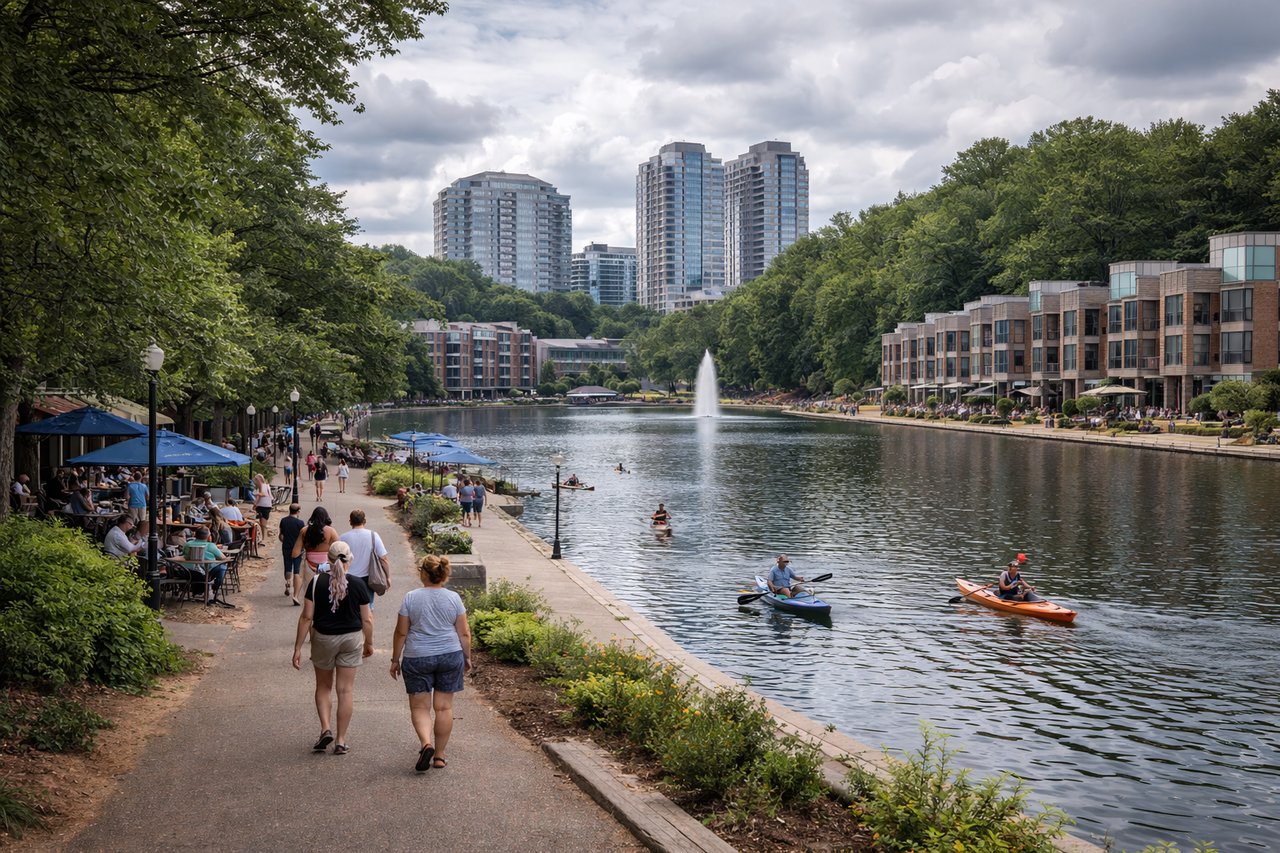
Located along the Potomac River, it offers high end condos, restaurants, entertainment, and marina access. The area has a more polished and lifestyle driven feel compared to other parts of the city.
Buyers here are typically looking for newer luxury product with a waterfront setting.
Foggy Bottom / West End | Central, Professional, Convenient
This area is defined by its proximity to major employers and institutions like George Washington University.
You’ll find a mix of condos, apartments, and some quieter residential pockets. It’s one of the most convenient locations in the city for commuting and access to downtown.
Ideal for professionals who prioritize location and accessibility.
Cleveland Park / Woodley Park | Residential, Green, Established
These neighborhoods offer a quieter, more residential feel while still being on the Metro line.
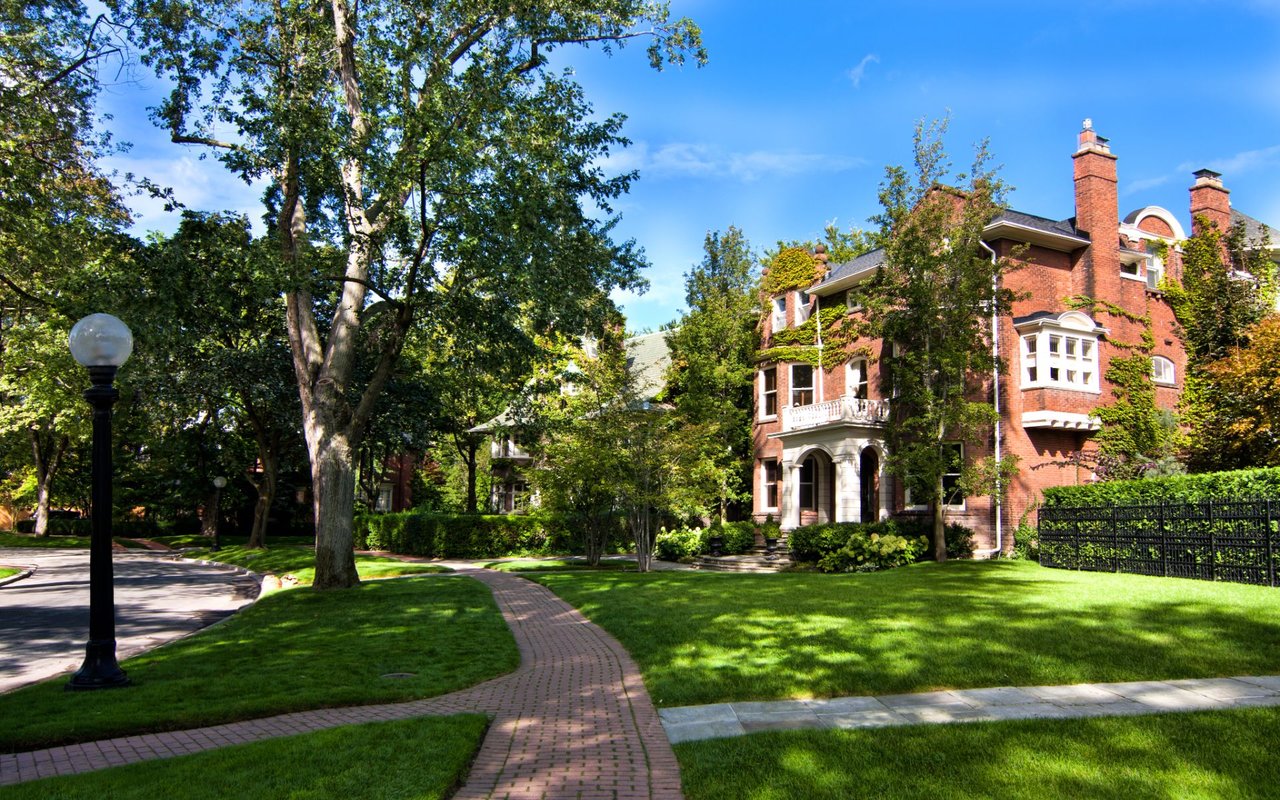
Known for their tree lined streets, historic buildings, and proximity to Rock Creek Park, they provide a balance between city living and access to nature.
They attract buyers who want space, greenery, and a slower pace without leaving DC.
Why Washington, DC Stands Out
What makes DC unique is how seamlessly it blends history, culture, and modern development within a highly walkable and connected city.
The Washington Metro ties everything together, allowing residents to move easily between neighborhoods, employment centers, and entertainment hubs.
From a real estate perspective, DC offers a wide range of opportunities—from historic rowhomes to modern high rise living. Each neighborhood has its own identity, pricing dynamics, and long term outlook.
The key is understanding those differences, because choosing the right neighborhood in DC is just as important as choosing the right home.
670,539 people live in Washington D.C, where the median age is 37 and the average individual income is $78,038. Data provided by the U.S. Census Bureau.
Total Population
Median Age
Population Density Population Density This is the number of people per square mile in a neighborhood.
Average individual Income
There's plenty to do around Washington D.C, including shopping, dining, nightlife, parks, and more. Data provided by Walk Score and Yelp.
Explore popular things to do in the area, including Tezzy 1 Bosslay, Mojaita Latin Flavor, and Maui Wowi Tiki Trucks.
| Name | Category | Distance | Reviews |
Ratings by
Yelp
|
|---|---|---|---|---|
| Dining | 0.21 miles | 0 reviews | 0/5 stars | |
| Dining · $ | 0.29 miles | 5 reviews | 3/5 stars | |
| Dining · $ | 0.29 miles | 2 reviews | 5/5 stars | |
| Dining · $ | 0.29 miles | 4 reviews | 2.3/5 stars | |
| Dining · $ | 0.29 miles | 5 reviews | 2.4/5 stars | |
| Dining · $$ | 0.29 miles | 3 reviews | 4.7/5 stars | |
| Dining · $$ | 0.29 miles | 4 reviews | 2.5/5 stars | |
| Dining | 0.29 miles | 0 reviews | 0/5 stars | |
| Dining | 0.3 miles | 0 reviews | 0/5 stars | |
| Dining | 0.43 miles | 1 review | 3/5 stars | |
| Shopping | 0.29 miles | 0 reviews | 0/5 stars | |
| Shopping | 0.29 miles | 0 reviews | 0/5 stars | |
| Active | 0.29 miles | 0 reviews | 0/5 stars | |
| Active | 0.29 miles | 0 reviews | 0/5 stars | |
| Nightlife | 0.25 miles | 0 reviews | 0/5 stars | |
| Beauty | 0.19 miles | 0 reviews | 0/5 stars | |
| Beauty | 0.19 miles | 0 reviews | 0/5 stars | |
| Beauty | 0.2 miles | 0 reviews | 0/5 stars | |
| Beauty | 0.29 miles | 0 reviews | 0/5 stars | |
| Beauty | 0.29 miles | 9 reviews | 3.7/5 stars | |
| Beauty | 0.29 miles | 0 reviews | 0/5 stars | |
| Beauty | 0.29 miles | 0 reviews | 0/5 stars | |
| Beauty | 0.29 miles | 0 reviews | 0/5 stars | |
| Beauty | 0.4 miles | 0 reviews | 0/5 stars | |
|
|
||||
|
|
||||
|
|
||||
|
|
||||
|
|
||||
|
|
Washington D.C has 320,804 households, with an average household size of 2. Data provided by the U.S. Census Bureau. Here’s what the people living in Washington D.C do for work — and how long it takes them to get there. Data provided by the U.S. Census Bureau. 670,539 people call Washington D.C home. The population density is 23,909 and the largest age group is Data provided by the U.S. Census Bureau.
Total Population
Population Density Population Density This is the number of people per square mile in a neighborhood.
Median Age
Men vs Women
Population by Age Group
0-9 Years
10-17 Years
18-24 Years
25-64 Years
65-74 Years
75+ Years
Education Level
Total Households
Average Household Size
Average individual Income
Households with Children
With Children:
Without Children:
Marital Status
Blue vs White Collar Workers
Blue Collar:
White Collar:
Explore a group of experts who combine personalized service with top-tier market knowledge to achieve extraordinary results.