Low-Maintenance Living In McLean: Condo And Townhome Lifestyles
June 11, 2026
June 11, 2026
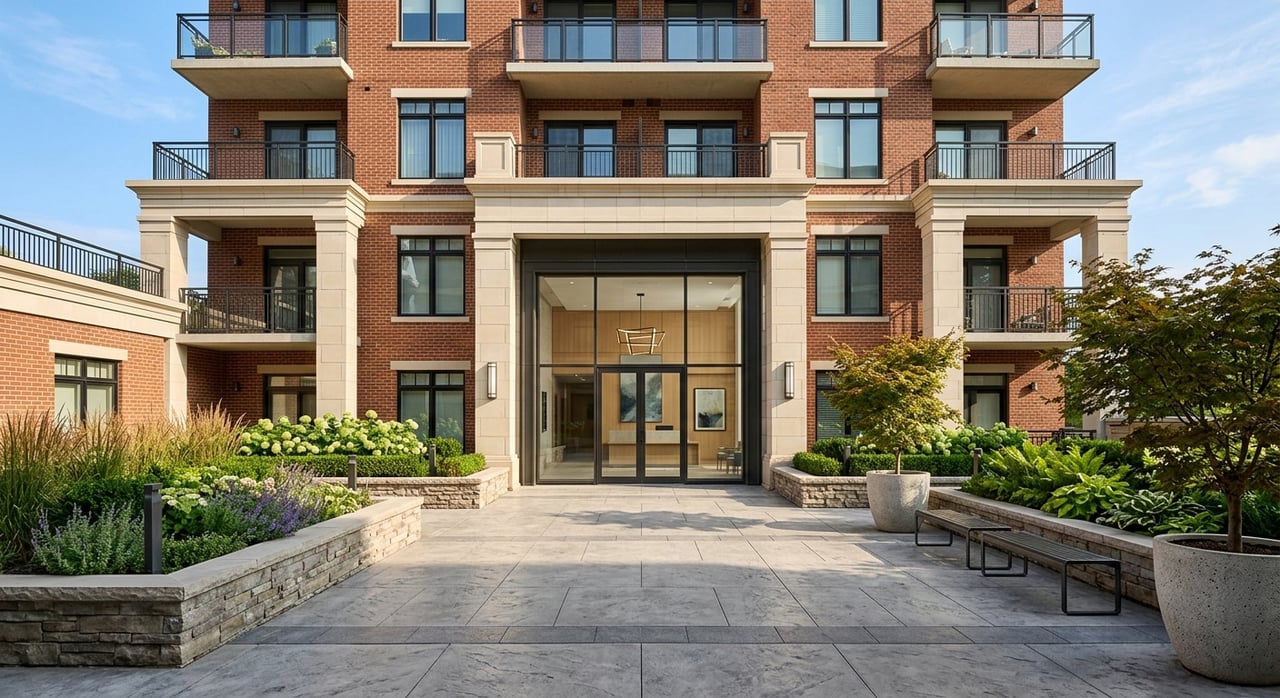
If you love McLean but do not love the idea of spending weekends on yard work, a condo or townhome may be the right fit. Many buyers want the convenience of a well-located home without the full upkeep that often comes with a detached house. In McLean, that lifestyle is especially appealing near downtown and the Tysons edge, where transit access, walkability, and shared maintenance can make daily life feel simpler. Let’s dive in.
Low-maintenance living is not spread evenly across all of McLean. It tends to be most compelling near the McLean Community Business Center and close to Tysons, where Fairfax County planning supports a more walkable, mixed-use environment.
In the McLean CBC, county planning emphasizes a small-town, pedestrian-friendly feel with brick sidewalks, street trees, outdoor cafes, park spaces, and a future central gathering space. That matters if you want a home where errands, dining, and casual outings may feel more convenient without relying on a large private lot.
Tysons adds another layer to that lifestyle. Fairfax County’s long-range plan is built around four Metro stations and aims to shape Tysons into a walkable urban center, with much of future growth located within a half-mile of stations and within a ten-minute walk of Metro.
For many buyers, the tradeoff is straightforward. You may give up a large yard and a detached-home setup, but gain shared upkeep, proximity to amenities, and a more efficient routine.
That can be especially attractive if you are a commuter, downsizer, first-time buyer, or anyone who wants a home base that feels easier to manage. In McLean, this lifestyle often lines up with buyers who value location, convenience, and reduced exterior maintenance over extra land.
A local example helps show what that can look like. McLean Mews, an urban townhome community, describes itself as within walking distance of shops, restaurants, and other downtown McLean amenities, which illustrates the kind of convenience some communities can offer.
Low-maintenance does not mean no maintenance. In Virginia common-interest communities, owners typically share responsibility for certain common elements through a condo or homeowners association.
According to Virginia’s common-interest-community framework, association boards can collect mandatory assessments for maintenance and improvements to common elements such as a pool, clubhouse, road, or signage. Under the Virginia Condominium Act, maintenance and repair of common elements generally belong to the association, while the owner is usually responsible for the unit itself unless the governing documents say otherwise.
That distinction is important. Two communities can both be called “low-maintenance,” but the actual owner responsibilities can be very different.
One of the first questions buyers ask is what the monthly fees actually include. The answer depends on the community, but fees often help fund shared upkeep and services.
A local McLean HOA example shows that shared services may include:
Coverage varies by association, so it is important to review the specific documents for any property you are considering. A condo may shift more exterior responsibilities to the association, while a townhome community may cover a narrower set of shared services.
Both property types can support a lower-maintenance lifestyle, but they usually feel different in day-to-day living. Your best option depends on how much privacy, outdoor space, and shared responsibility you want.
| Feature | Condo | Townhome |
|---|---|---|
| Exterior maintenance | Often handled largely by the association | Often shared, but varies more by community |
| Private outdoor space | Usually limited | Often includes a patio, terrace, or small yard area |
| Shared walls/common areas | Common | Common |
| Amenities and building systems | May include more shared elements | May include fewer shared building systems |
| Ownership responsibilities | Often focused more on the interior of the unit | Can include more owner responsibility, depending on documents |
The key is not to assume based on the label alone. In McLean, condo and townhome communities can differ a lot, so recorded documents matter more than marketing language.
One reason this lifestyle works so well in parts of McLean is transit. The Silver Line gives some buyers a more realistic car-light routine than they might expect in a suburban setting.
WMATA notes that McLean Station and Tysons Station both have no parking, but they do offer bike racks and lockers. McLean Station is also near Tysons Corner shopping and major employment centers, while Fairfax Connector service supports access around the station area.
Tysons West Park Transit Station in McLean is served by Fairfax Connector routes 401, 402, 423, 494, and 574. That does not mean every resident can go fully car-free, but it does support more flexible commuting and daily movement than many traditional suburban neighborhoods.
Walkability in McLean depends a lot on exactly where you live. If you are expecting every part of McLean to function like an urban core, you may be disappointed.
The strongest walkable pockets are near downtown McLean and the Tysons transit districts. Fairfax County is actively planning these areas to be more pedestrian- and bicycle-friendly, while the broader area still reflects a more suburban pattern.
That means your block-by-block experience matters. A well-placed condo or townhome can offer easier access to restaurants, shops, parks, and transit, while another property only a short drive away may still feel much more car-dependent.
Parking is another area where low-maintenance living can feel different from detached-home ownership. In Tysons, Fairfax County planning supports managed parking, shorter-duration curbside parking near Metro, and parking placed underground or within structures rather than in large surface lots.
For buyers, that often translates to assigned spaces, garage parking, or structured parking instead of the classic driveway-and-yard setup. If parking convenience matters to you, this is something to check early when comparing communities.
A good review should include not just the number of spaces, but also guest parking, commercial vehicle rules, and any permit or assignment details. Small parking differences can have a big impact on daily life.
Before you buy in a condo or HOA community, take time to understand the rules and financial structure. This is one of the best ways to protect both your budget and your expectations.
Key items to review include:
These documents help clarify where owner responsibility ends and association responsibility begins. They can also reveal whether a community’s version of “low-maintenance” truly matches the lifestyle you want.
Condo and townhome living in McLean often works best for buyers who want to simplify without giving up location. That may include professionals who want easier access to Tysons, downsizers who prefer less exterior upkeep, first-time buyers seeking a manageable entry point, or relocators who value convenience and efficiency.
It can also be a strong fit if you travel often, work long hours, or simply do not want your free time tied to outdoor maintenance. Instead of focusing on mowing, snow clearing, or larger exterior projects, you may be able to shift more of that responsibility into a shared structure.
The biggest benefit is usually not just less work. It is a different rhythm of living, one built around convenience, shared services, and access to the parts of McLean that are evolving into more walkable daily environments.
In McLean, low-maintenance living is about more than choosing a smaller property. It is about choosing a different lifestyle, one that often prioritizes shared upkeep, transit access, structured parking, and proximity to downtown McLean or Tysons amenities.
The right condo or townhome can make day-to-day life feel lighter and more connected, but the details matter. Community documents, fee structure, parking setup, and location all shape whether a property truly delivers the ease you want.
If you are weighing condo or townhome options in McLean, Jennifer Fang Homes can help you compare communities, review the practical tradeoffs, and find the right fit for your routine and goals.


Explore a group of experts who combine personalized service with top-tier market knowledge to achieve extraordinary results.