Architectural Styles That Define McLean Homes
June 25, 2026
June 25, 2026
Wondering why McLean homes can feel so different from one street to the next? That variety is part of what makes this market so interesting, whether you are buying your next home, selling a longtime property, or simply trying to understand what gives a house its character. In McLean, architecture tells a story about the area’s rural roots, postwar growth, and ongoing custom-home evolution. Let’s dive in.
McLean began as a rail community after the Great Falls and Old Dominion Railroad started operating in 1906. Over time, it grew into a low-density suburban area, and Fairfax County planning still treats much of McLean as primarily single-family detached housing, especially in large wooded lot areas.
That history helps explain why McLean does not have just one architectural identity. County housing data show a wide age mix, with 27.5% of homes built before 1970, 37.5% built from 1970 to 1999, and 34.9% built from 2000 to 2023. In a market with homes from so many eras, you naturally see a broad mix of styles.
McLean’s median owner-occupied home value is $1,412,700. In a market at this level, buyers often pay attention not only to square footage and finishes, but also to how a home’s style fits the lot, the street, and the surrounding setting.
Some of McLean’s most recognizable homes draw from traditional American architecture. These styles often feel familiar, formal, and timeless, which is one reason they remain popular on established streets.
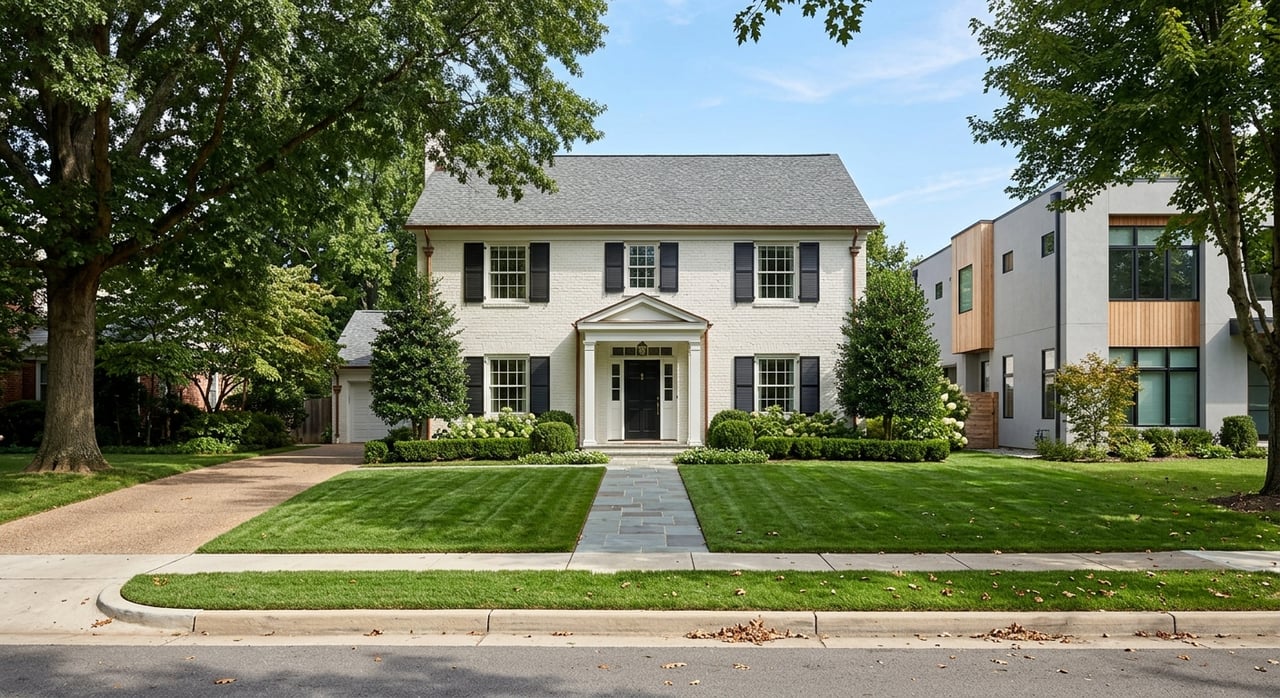
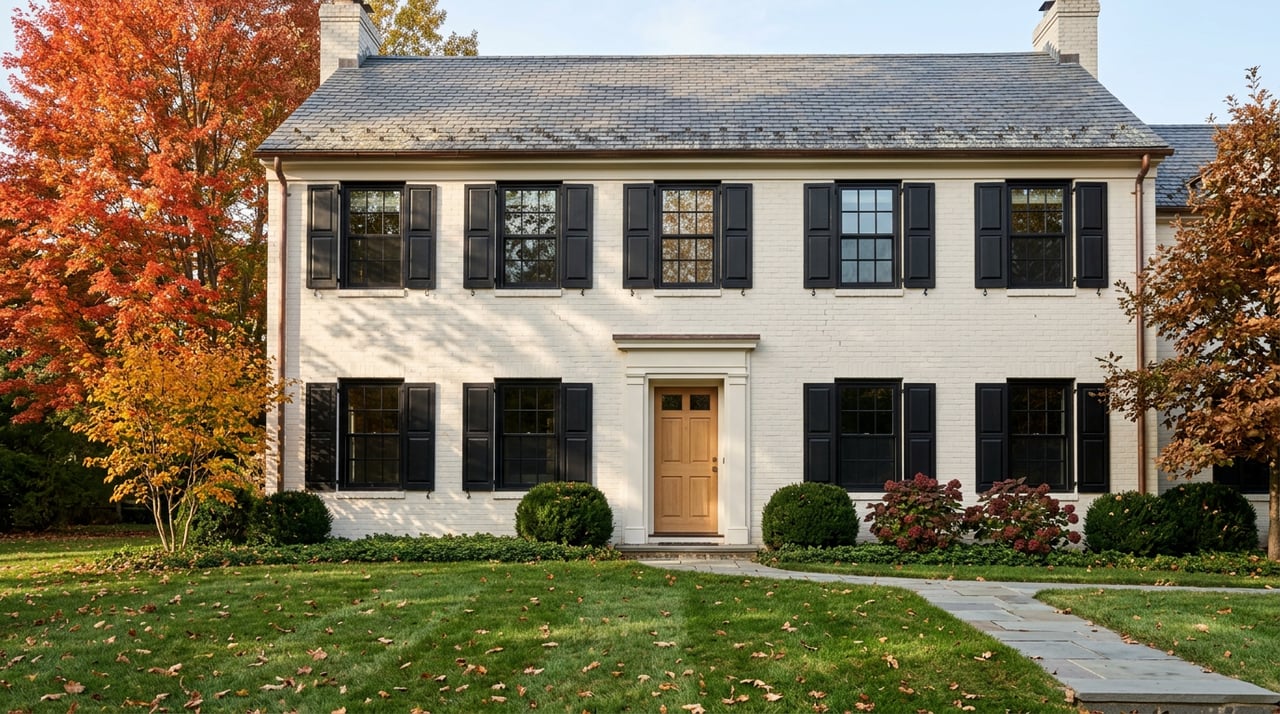
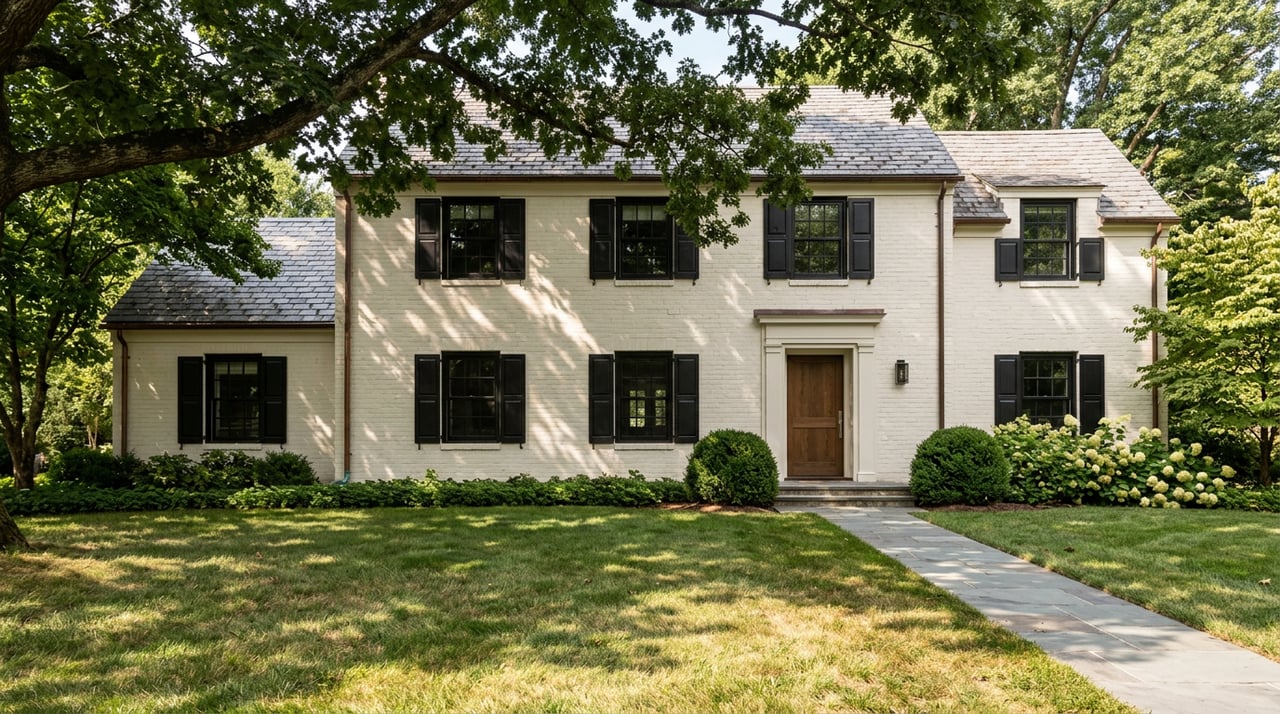
Colonial Revival is one of the clearest style families you will see in McLean. These homes typically use symmetry, a prominent front entry, balanced window placement, and details like columns, pilasters, fanlights, or sidelights.
In practical terms, this is the classic traditional look many buyers picture when they think of McLean. Brick or painted exteriors, a formal street-facing elevation, and a more substantial suburban scale give these homes a polished, enduring presence.
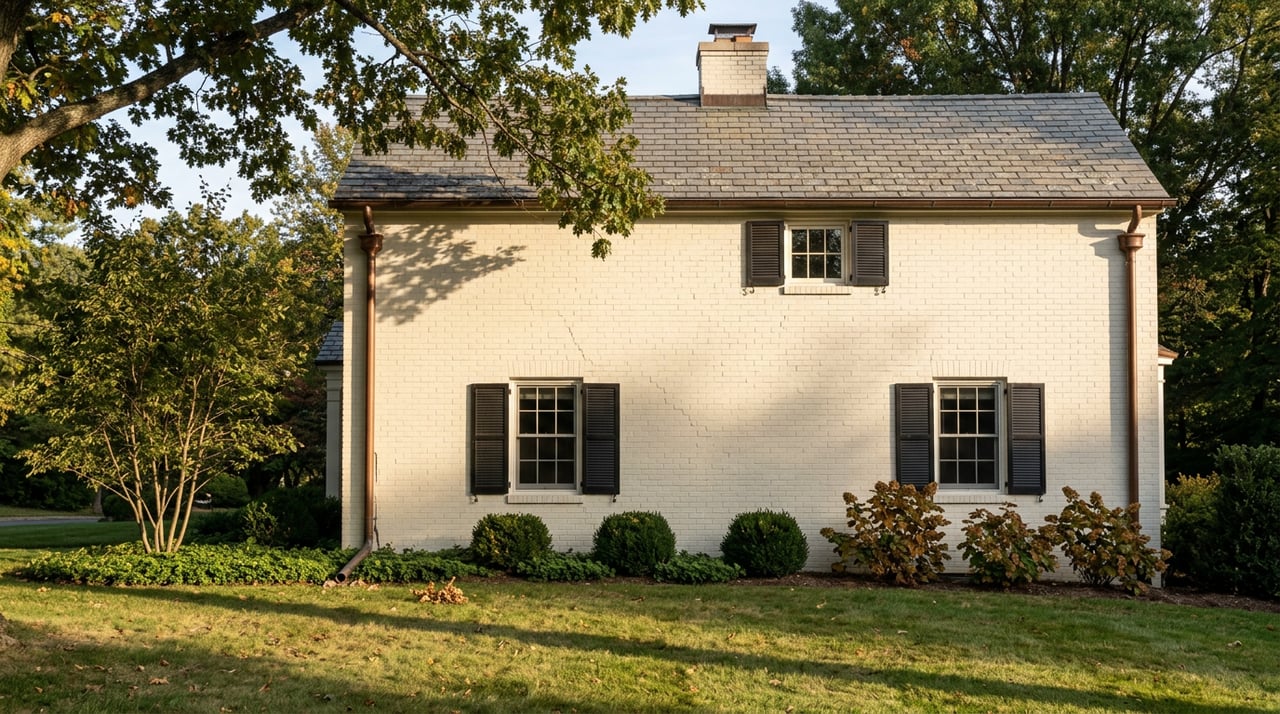
Federal and Georgian architecture sit behind much of McLean’s traditional design vocabulary. Both styles emphasize balance, symmetry, and clean lines, often with square or rectangular forms and refined entry details.
You may not always see a pure historic example, but you will often notice the influence. Many traditional homes in McLean borrow these cues to create a formal, composed appearance that fits comfortably on older residential streets.
Before McLean became the suburban market many buyers know today, it had a more rural identity. Fairfax County heritage resources like Langley Fork and Salona reflect that earlier layer.
Langley Fork is described by Fairfax County as the county’s most intact rural crossroads village. Its design guidance highlights detached, human-scale buildings with simple massing, gabled roofs, regular windows, and restrained ornament.
Salona is identified in the McLean planning district as a Federal-style farmhouse. Together, these references help explain why simpler forms, balanced proportions, and understated detailing still feel appropriate in parts of McLean.
A large share of McLean’s homes came during the postwar period, and that era left a major mark on the local housing stock. Fairfax County’s modern architecture survey documents the broader Northern Virginia development wave from 1950 to 1985, including styles such as Ranch, Split-Level, Split-Foyer, Contemporary, Two-Story Massed, and Neo-Traditional or Modern Colonial homes.
For buyers, this means McLean is not only a market of stately traditional homes and new builds. It is also a place where mid-century and postwar forms remain an important part of the local visual landscape.
Ranch houses are easy to spot once you know the signs. They tend to be low, horizontal, and centered on one main level, often with low-pitched roofs and a more casual connection between indoor and outdoor spaces.
In McLean, ranch homes can appear modest from the street even when they sit on generous lots. That makes them especially appealing if you want one-level living, a simpler layout, or a property with renovation potential.
Split-level homes divide living areas into staggered zones. The main level often holds the primary living space, while bedrooms or family rooms sit half a level above or below.
From the curb, a split-level can look fairly compact. Inside, though, the layout often creates distinct public and private areas, which helps explain why these homes remain a recognizable part of McLean’s mid-century housing mix.
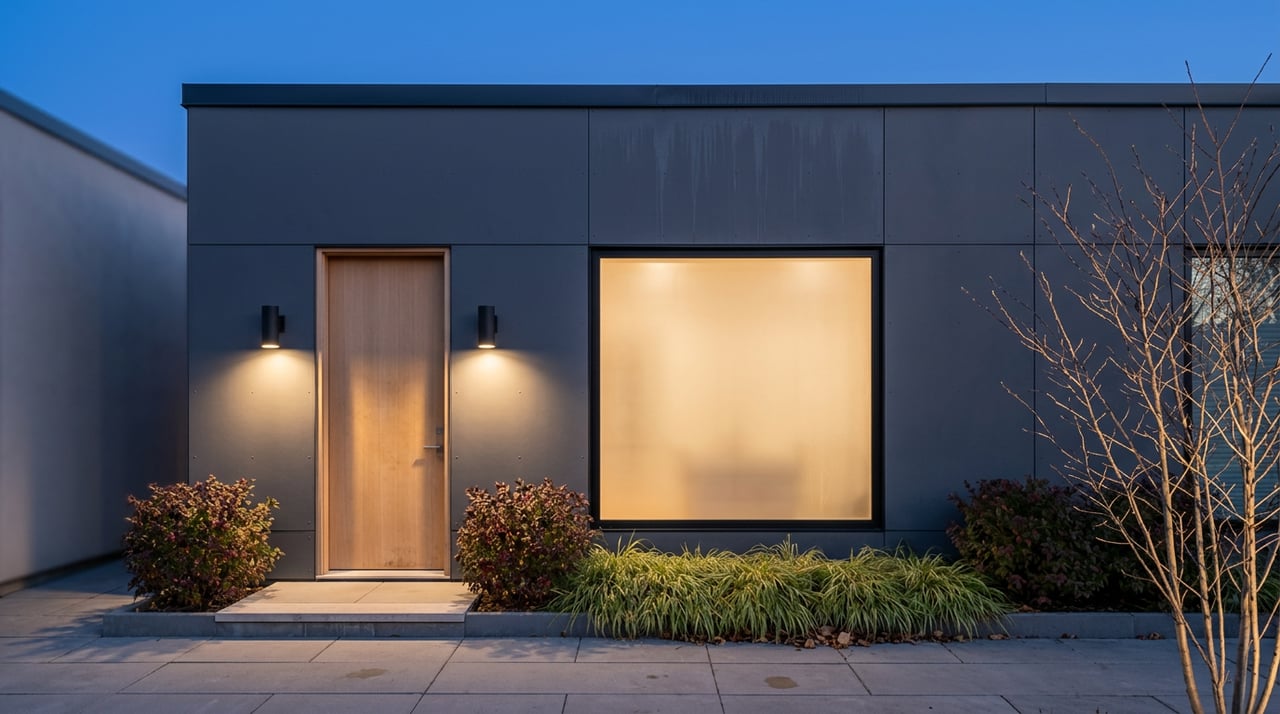
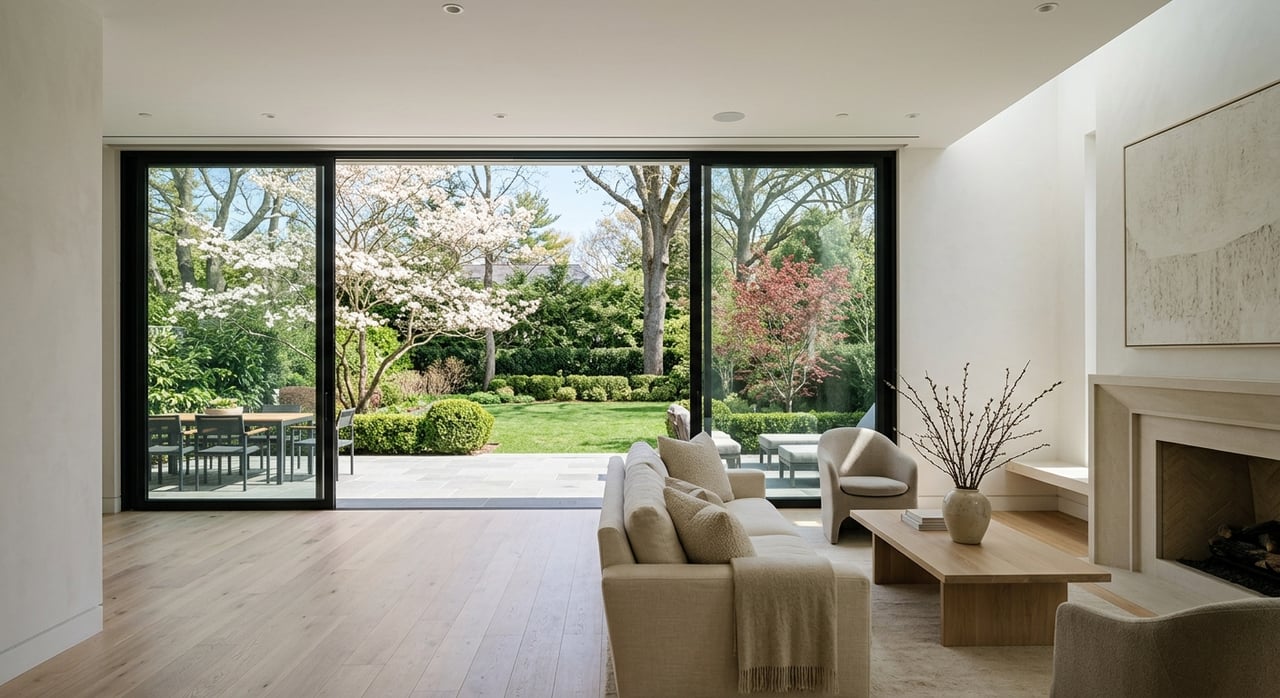
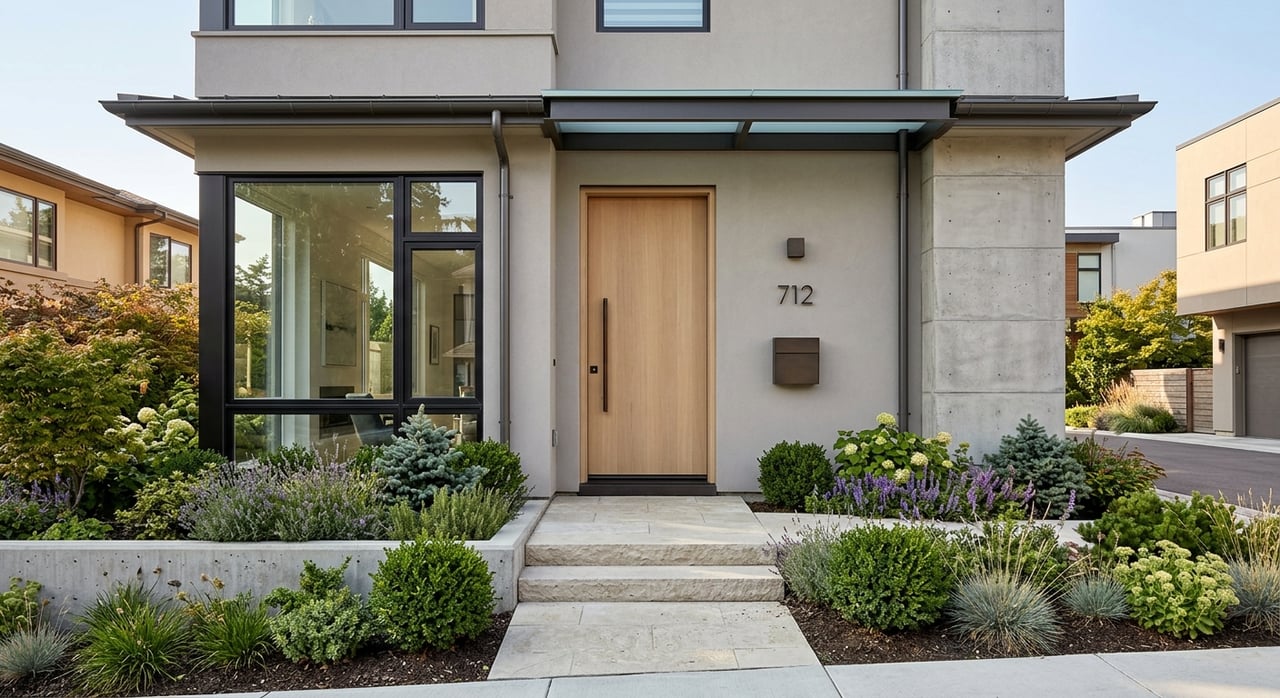
McLean also has a strong modern side, especially in later rebuilds and custom construction. Fairfax County’s modern survey identifies Contemporary as one of the area’s local postwar style families, and modern design guidance points to long, low forms, generous glass, and a strong indoor-outdoor relationship.
In today’s McLean market, that design language often appears in custom homes with large windows, flatter rooflines, and a more site-specific feel than a traditional colonial. These homes can feel more architectural from the street, with an emphasis on light, scale, and connection to the lot.
This matters if you are comparing newer inventory. Two homes may offer similar size and finish quality, but one may read as formal and symmetrical while another feels more streamlined and modern.
In McLean, architecture rarely stands alone. Fairfax County planning for parts of McLean, including areas like Potomac Palisades and some western sections, describes housing as primarily single-family detached, often on large wooded lots with private drives, deep setbacks, and estate-style development patterns.
That is why value in McLean often connects to more than the style label. Lot size, privacy, tree cover, and how well the home fits its site can shape buyer perception just as much as whether the exterior reads colonial, ranch, or contemporary.
A well-placed home on a large, wooded lot may feel more compelling than a trendier design on a less fitting site. For sellers, this is an important reminder that presentation should highlight both the architecture and the setting.
While detached homes define much of McLean’s image, they are not the whole story. Fairfax County planning also notes townhouse areas near the central business district, along with more multifamily growth around Tysons and the McLean Metro area.
This adds another layer to McLean’s housing mix. Buyers who want lower-maintenance living or transit access may find that the architecture near Tysons and the Metro feels more urban and less tied to the classic detached-home look.
Fairfax County describes Tysons as a walkable, urbanizing center, and projects such as Somos at McLean Metro expand the mid-rise residential presence near the station. These homes broaden the local architectural palette and offer a different lifestyle option within the greater McLean area.
If you are scrolling listings or driving through neighborhoods, this quick checklist can help you identify what you are seeing.
If you are buying in McLean, understanding architectural style can help you narrow your search faster. It gives you a better sense of layout, curb appeal, renovation potential, and how a home may relate to the lot and street.
If you are selling, style helps shape how your home should be presented. A traditional colonial and a modern custom build should not be marketed the same way, even if both compete at a similar price point.
In a market with older farmhouses, postwar homes, estate properties, townhomes, and newer custom construction, the best strategy starts with knowing exactly what your home is and why it fits its location. That kind of neighborhood-first perspective is especially important in McLean, where buyers often compare not just features, but architectural identity.
Whether you are evaluating a classic brick colonial, a mid-century split-level, or a newer modern rebuild, a local read on style and setting can help you make smarter decisions. If you want guidance tailored to your goals in McLean, Jennifer Fang Homes offers personalized support for buyers and sellers across this highly nuanced market.
Explore a group of experts who combine personalized service with top-tier market knowledge to achieve extraordinary results.